

Commercial Waste Management: Efficient and Sustainable Solutions for Businesses
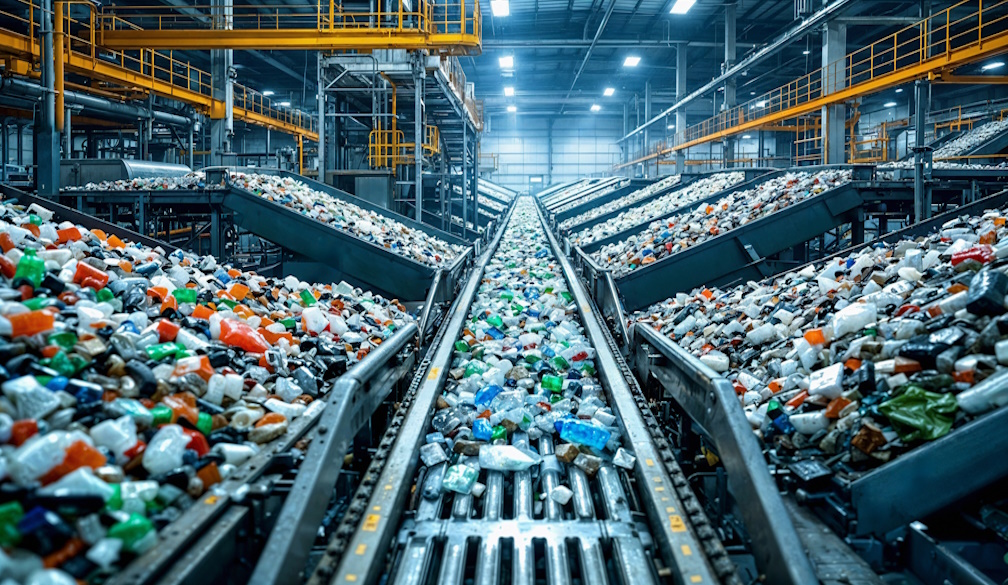
From office paper and packaging materials to food scraps and industrial by-products, managing this waste responsibly is critical to maintaining efficiency, meeting environmental regulations, and enhancing corporate reputation. Professional commercial waste management services provide structured, cost-effective, and environmentally sound solutions that help businesses reduce landfill use, increase recycling rates, and operate more sustainably.
Why Commercial Waste Management Matters
Businesses are under increasing pressure to operate sustainably while keeping operational costs under control. Effective waste management is not just about compliance — it’s a strategic approach to improving efficiency, reducing expenses, and protecting the environment.
A well-implemented commercial waste management system helps identify recyclable materials, streamlines disposal processes, and minimises the volume of waste going to landfill. It also supports a company’s green initiatives, which can strengthen brand reputation among eco-conscious customers and stakeholders.
Types of Commercial Waste
Different industries produce different types of waste, requiring tailored management strategies. Common waste categories include general waste, recyclable materials, food and organic waste, construction debris, and hazardous waste.
For offices, this often means managing paper, plastics, and electronic waste. In the hospitality sector, food waste and packaging are major concerns. Industrial and manufacturing businesses deal with larger-scale waste streams, including scrap metal, timber, and chemical residues. Understanding these waste types is essential for implementing the right disposal and recycling systems.
Tailored Waste Solutions for Businesses
Professional waste management providers assess a business’s operations to develop customised waste handling plans. These plans typically include scheduled collections, on-site segregation systems, recycling programs, and compliance reporting.
For example, restaurants may receive daily waste collections to prevent odours and maintain hygiene, while manufacturing plants might require specialised containers for recyclable or hazardous materials. Tailoring waste management to specific needs ensures efficiency, cost savings, and environmental responsibility.
Recycling and Resource Recovery
One of the core goals of commercial waste management is to maximise recycling and resource recovery. Businesses can significantly reduce their environmental impact by diverting materials like cardboard, glass, metals, and plastics from landfills.
Waste management companies sort and process recyclable materials to create reusable resources. Many also provide recycling stations or bins for employees, encouraging responsible disposal habits in the workplace. These initiatives contribute to corporate sustainability goals while lowering waste disposal costs.
Sustainability and the Circular Economy
Modern businesses are increasingly aligning with circular economy principles — where waste is repurposed into new products instead of being discarded. Commercial waste management supports this shift by identifying opportunities for reusing materials, recycling by-products, and minimising overall waste generation.
Adopting sustainable waste practices not only benefits the planet but also improves brand image, helping companies meet environmental, social, and governance (ESG) targets that appeal to clients and investors.
Compliance with Environmental Regulations
Strict waste disposal regulations apply to all commercial sectors, and non-compliance can lead to hefty fines or reputational damage. Partnering with licensed waste management companies ensures businesses adhere to local council and environmental laws.
These providers handle waste safely, document disposal processes, and provide detailed compliance reports. For industries dealing with hazardous or medical waste, certified waste handlers ensure proper treatment and disposal to protect public health and the environment.
Cost-Effective Waste Solutions
Contrary to common belief, professional waste management can reduce operating costs. By optimising collection schedules, recycling more materials, and avoiding landfill fees, businesses can cut expenses significantly.
Regular waste audits conducted by service providers help identify inefficiencies — such as excessive waste generation or underutilised recycling programs — and suggest actionable improvements that lead to long-term savings.
Technology and Data-Driven Waste Management
Advancements in technology have revolutionised the waste industry. Many providers now use smart bins equipped with sensors to monitor fill levels, ensuring timely collections and reducing unnecessary truck trips.
Digital tracking systems provide real-time data on waste volumes and recycling rates, allowing businesses to monitor progress toward sustainability goals. Data analytics also help companies make informed decisions about waste reduction and resource allocation.
Waste Management in Different Commercial Sectors
Each sector has unique waste management requirements. For instance:
Hospitality and food service: Focuses on food waste composting, packaging recycling, and frequent collections.
Construction and manufacturing: Prioritises sorting materials like metal, wood, and concrete for recycling.
Retail and offices: Benefit from paper, cardboard, and plastic recycling programs that reduce clutter and landfill contribution.
Customised waste management ensures every industry’s unique challenges are addressed effectively.
Promoting Environmental Responsibility in the Workplace
Successful waste management begins with employee participation. Training staff on proper waste segregation, recycling practices, and sustainability initiatives fosters a culture of responsibility.
Businesses that promote green practices not only reduce waste but also improve workplace morale and demonstrate leadership in environmental stewardship.
Partnering with Professional Waste Management Companies
Working with a reputable commercial waste management company ensures reliability, safety, and compliance. These providers have the expertise and equipment to drive all types of waste efficiently.
Many companies also offer flexible contracts, responsive customer service, and sustainability reporting to help clients achieve measurable environmental outcomes.
Conclusion
Effective commercial waste management is a key component of responsible business operations. By investing in structured, sustainable waste systems, companies can protect the environment, reduce costs, and enhance their brand reputation.
From recycling and composting to data-driven tracking and compliance, professional waste management services offer comprehensive solutions tailored to each industry. Businesses that prioritise sustainability not only meet regulatory standards but also contribute to a cleaner, greener future for their communities and the planet.


 Daily Bulletin


