

Why Automatic Sliding Screen Doors Are A Smart Addition To Modern Homes
- Written by Daily Bulletin
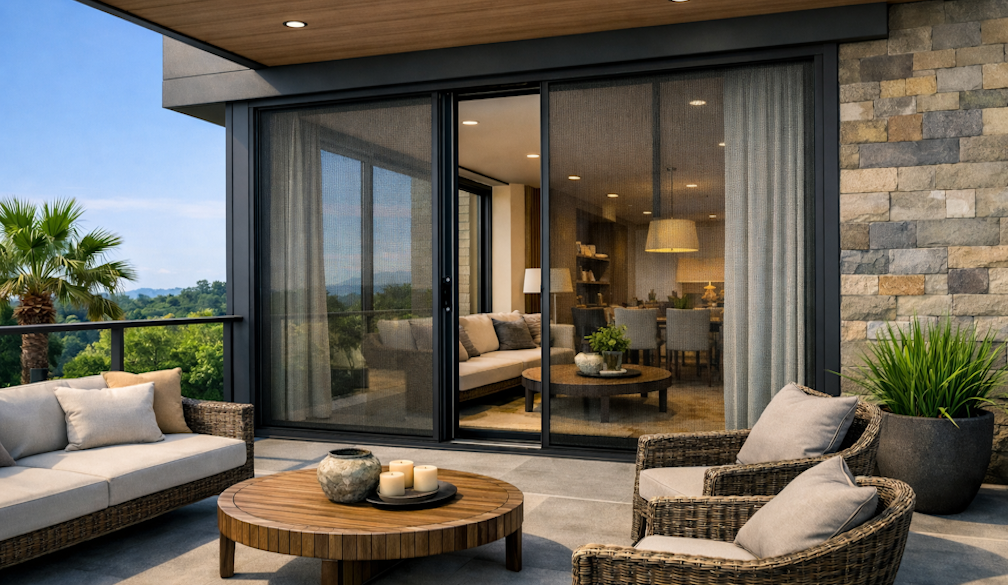
Modern homes are designed to maximise comfort, convenience, and functionality. Homeowners often look for features that improve airflow, accessibility, and ease of movement throughout the house. One solution that has gained popularity is the installation of an automatic sliding screen door, which combines modern technology with practical design to enhance everyday living.
Automatic sliding screen doors provide a convenient way to access outdoor spaces such as patios, balconies, and gardens while maintaining proper ventilation and protection from insects. These systems are designed to open and close smoothly using automated mechanisms, offering both comfort and accessibility for homeowners.
Understanding How Automatic Sliding Screen Doors Work
Automatic sliding screen doors operate using motorised systems that control the movement of the door along a track. Sensors or control devices detect when the door should open or close.
Some systems operate through motion sensors that detect when someone approaches the door. Others can be controlled through remote controls or wall mounted switches.
When activated, the door slides smoothly along its track, allowing easy access without requiring manual effort. After a short period, the door closes automatically to maintain protection and airflow.
This automated operation makes the door particularly useful in homes where convenience and accessibility are important.
Improving Home Ventilation
Proper ventilation is essential for maintaining a comfortable indoor environment. Sliding screen doors allow fresh air to circulate through the home while preventing insects or debris from entering.
Automatic systems make it easier to maintain ventilation because the doors can open and close without requiring manual operation. This allows homeowners to enjoy natural airflow without constantly adjusting doors.
Improved ventilation can also help regulate indoor temperatures and reduce reliance on air conditioning systems.
Enhancing Accessibility And Convenience
Automatic sliding screen doors provide an excellent solution for improving accessibility within the home. Individuals carrying groceries, pushing strollers, or managing other tasks may find it difficult to operate traditional doors.
Automated systems allow doors to open effortlessly, making entry and exit easier for all household members. This feature is particularly beneficial for elderly residents or individuals with mobility limitations.
Convenient operation ensures that outdoor areas remain easily accessible while maintaining the functionality of the home.
Maintaining Protection From Insects
One of the primary functions of screen doors is to prevent insects from entering the home while allowing airflow. Automatic sliding screen doors maintain this protective barrier while improving ease of use.
Because the doors close automatically after use, they help ensure that the screen remains in place and continues protecting the interior space.
This feature is especially valuable during warmer seasons when insects are more active.
Modern Design And Aesthetic Appeal
Automatic sliding screen doors are designed to complement modern architectural styles. Their sleek design allows them to blend seamlessly with existing door frames and outdoor living spaces.
These systems are available in various sizes and finishes, allowing homeowners to select options that match the appearance of their home.
By combining modern technology with stylish design, automatic sliding screen doors enhance both functionality and visual appeal.
Durability And Long Term Performance
High quality sliding screen doors are built with durable materials designed to withstand regular use and environmental exposure. Strong frames and reliable track systems ensure smooth operation over time.
Motorised components are also designed for long term reliability, allowing the door to open and close consistently without excessive maintenance.
Routine cleaning and occasional servicing help maintain the door’s performance and extend its lifespan.
Supporting Smart Home Integration
Many modern automatic sliding screen doors can be integrated with smart home systems. Homeowners may control the door through mobile applications or connect it with other automated systems within the house.
For example, the door may be programmed to open when motion is detected or close automatically at certain times of the day.
This integration adds another layer of convenience and helps create a more connected home environment.
Conclusion
Automatic sliding screen doors provide a practical and modern solution for improving home ventilation, accessibility, and convenience. With automated operation, durable construction, and sleek design, these doors enhance both functionality and comfort in modern homes. By combining advanced technology with everyday practicality, automatic sliding screen doors offer homeowners an efficient way to improve their living spaces.

 Daily Bulletin
