

Waitangi Day 2023: why Article 3 of the Treaty deserves more attention in the age of 'co-governance'
- Written by: Alexander Gillespie, Professor of Law, University of Waikato

The heated (and often confused) debate about “co-governance” in Aotearoa New Zealand inevitably leads back to its source, Te Tiriti o Waitangi. But, as its long-contested meanings demonstrate, very little in the Treaty of Waitangi is straightforward.
Two versions of the 1840 document were written, one in English and one in te reo Māori. About 540 Māori, including 13 women, had put their names or moko to the document. All but 39 signed the Māori text.
But the differences in the translations were so significant that there has been debate ever since about what much of this agreement actually meant, especially Articles 1 and 2.
Article 3, on the other hand, attracts less controversy – which is interesting, because it was and is critical to debates such as the one swirling around co-governance. In effect, Article 3 acted as a mechanism by which the fundamental rights and privileges of British citizenship would be afforded Māori.
In the English language version, the Crown promises the Queen’s “royal protection and imparts to them all the Rights and Privileges of British Subjects”. In te reo, the Crown gave an assurance that Māori would have the Queen’s protection and all rights accorded to British subjects.
The promise of these rights and privileges, coupled with Articles 1 and 2, conferred a fundamental commitment of a partnership, in which the two sides could be expected to act reasonably, honourably and in good faith towards each other.
Although there were many British laws, practices and principles in existence by this time, four particularly stand out.
Participation
The ideal was that laws reflected the community (or a portion of it at least) and were made with the participation and consent of citizens. This was a long-standing principle, in that law and governance could not be something arbitrary or controlled absolutely by one person.
There had been efforts to control royal abuses of power since the Magna Carta in 1215 and the establishment of a “common council of the kingdom”, by which high-ranking community leaders could be summoned to discuss important matters.
Later, the 1688 Bill of Rights required free and frequent parliaments which would contain the right of free speech within them (parliamentary privilege in today’s terms). This meant representatives could speak without fear. Monarchs could no longer suspend laws on a whim, levy taxes at their pleasure, or maintain a standing army during peacetime without the permission of parliament.
The anomaly that only about 5% of British citizens (wealthy and entitled men) could actually vote for members of parliament was not resolved until legal reform in the early 1830s. This began the expansion of the political franchise and the widening of control over parliament.
Individual rights
All were deemed equal in the eyes of the law, and the delivery of justice with integrity could be expected. Clause 39 of the Magna Carta stated:
No free man shall be seized or imprisoned, or stripped of his rights or possessions, or outlawed or exiled, or deprived of his standing in any other way, nor will we proceed with force against him, or send others to do so, except by the lawful judgement of his equals or by the law of the land.
Clause 40 added: “To no one will we sell, to no one deny or delay right or justice.” The Habeas Corpus Act of 1679 required a court to examine the lawfulness of a prisoner’s detention, thus preventing unlawful or arbitrary imprisonment.
The Bill of Rights prohibited excessive penalties, cruel and unusual punishment, and the imposition of fines or penalties before convictions. It also guaranteed the right for all citizens to petition, where they could complain or seek help from the authorities, without fear of punishment.
Tolerance and a free press
After the Reformation, religious tolerance among British subjects took centuries to develop. The 1701 Toleration Act allowed some tolerance of the public practising of different religions, although the monarch could never be Catholic. But it was not until 1829 that Catholics – and some other faiths – could even be elected to parliament in Britain.
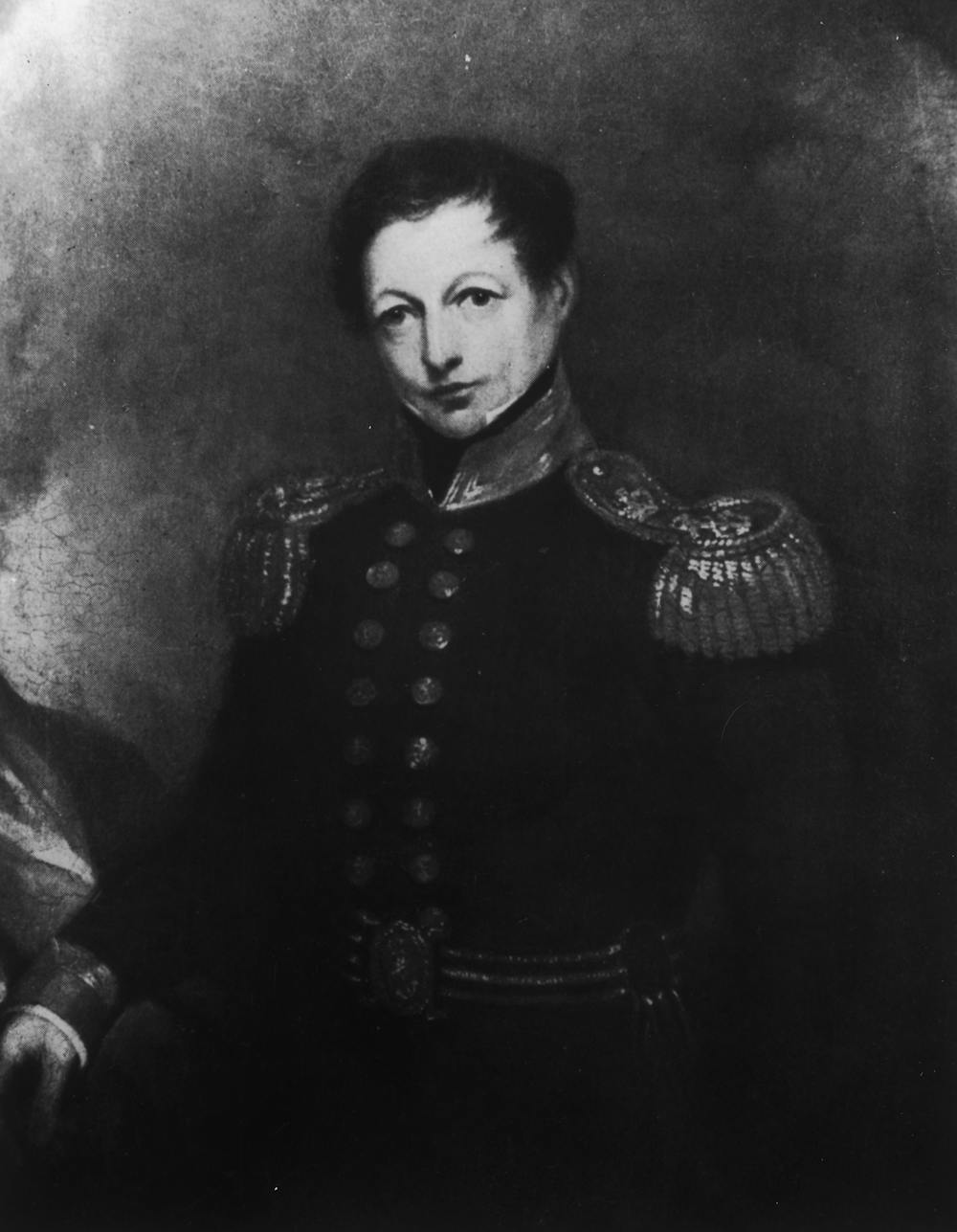
The importance of tolerance can be seen in the oral promise made by Governor William Hobson at the time of the signing the Treaty: all established religious faiths would be tolerated in New Zealand, “and also Māori custom shall be alike protected by him”. Although an oral commitment, to many signatories it was just as binding as the written words.
Public debate and the role of a free press was another important privilege. Although British laws governing libel, blasphemy and sedition were continued after 1688, there was a clear trend toward expanding liberty, allowing both booksellers and newspapers to proliferate.
This helped build the modern belief in the “fourth estate”, and that the media would act as a positive influence on decision makers.
Forward together
Despite the fine sounding language of Article 3 and all the expectations that went with it, the reality was that for many decades after 1840, the promised rights and privileges did not arrive for everyone.
The governor, followed by the early stages of representative government, ruled with a near absolute power that crushed dissent. The law itself was often used to target the rights and privileges of Māori, with some of the darkest examples occurring during and after the New Zealand Wars/Ngā Pakanga o Aotearoa.
Equality for most was largely a chimera, tolerance was elusive, and the press did not act as a brake on atrocious decision making.
Read more: The Crown is Māori too - citizenship, sovereignty and the Treaty of Waitangi
Thankfully, the world is different today. Positive change has happened through successive generations of Māori defending the rights guaranteed in 1840, the Waitangi Tribunal, and the critical questioning of early and contemporary government policies by Māori, politicians, community leaders, media and scholars.
There have been official apologies, compensation and redress, although only a portion of what was alienated has been returned.
As we move forward and look for new ways to work together to achieve equal and equitable partnership based on Te Tiriti o Waitangi, it is important to remember the relevance of Article 3 and what it continues to offer in a modern context.
Authors: Alexander Gillespie, Professor of Law, University of Waikato


 Daily Bulletin


