

14 billion litres of untreated wastewater is created each day in developing countries, but we don't know where all of it goes
- Written by: Jacqueline Thomas, Lecturer in Environmental and Humanitarian Engineering, University of Sydney
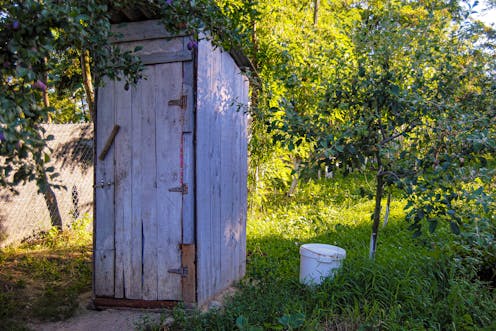
To limit the spread of disease and reduce environmental pollution, human waste (excreta) needs to be safely contained and effectively treated. Yet 4.2 billion people, more than half of the world’s population, lack access to safe sanitation.
In developing countries, each person produces, on average, six litres of toilet wastewater each day. There is no doubt that efficient wastewater management is vital, as based on the number of people who don’t have access to safe sanitation, that equates to nearly 14 billion litres of untreated faecally contaminated wastewater created each day. That’s the same as 5,600 Olympic-sized swimming pools.
This untreated wastewater directly contributes to increased diarrhoeal diseases, such as cholera, typhoid fever and rotavirus. Diseases such as these are responsible for 297,000 deaths per year of children under five years old, or 800 children every day.
The highest rates of diarrhoea-attributable child deaths are experienced by the poorest communities in countries including Afghanistan, India, and the Democratic Republic of Congo.
Given the global scale of this problem, it’s surprising sanitation practitioners still don’t know where exactly all the human excreta flows or leaches to, due to absent or unreliable data.
Poor sanitation to worsen under climate change
Inadequate sanitation is not only a human health issue, it’s also bad for the environment. An estimated 80% of wastewater from developed and developing countries flows untreated into environments around the world.
If an excess of nutrients (such as nitrogen and phosphorous) are released into the environment from untreated wastewater, it can foul natural ecosystems and disrupt aquatic life.
Read more: Australia's pristine beaches have a poo problem
This is especially the case for coral reefs. Many of the worlds most diverse coral reefs are located in tropical developing countries.
And overwhelmingly, developing countries have very limited human excreta management, leading to large quantities of raw wastewater being released directly onto coral reefs. In countries with high populations such as Indonesia and the Philippines, this is particularly evident.
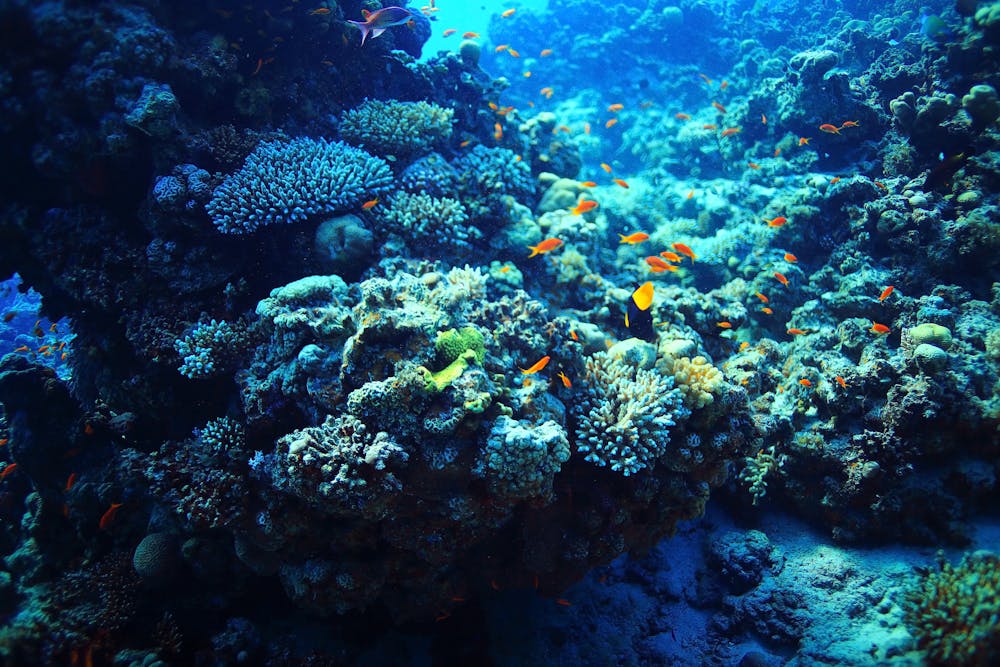 Sewage discharges in proximity to sensitive coral reefs, particularly in the tropics. Shutterstock
The damage raw wastewater inflicts on corals is severe. Raw wastewater carries solids, endocrine disrupters (chemicals that interfere with hormones), inorganic nutrients, heavy metals and pathogens directly to corals. This stunts coral growth, causes more coral diseases and reduces their reproduction rates.
The challenges of climate change will exacerbate our sanitation crisis, as increased rain and flooding will inundate sanitation systems and cause them to overflow. Pacific Island nations are particularly vulnerable, because of the compounding impacts of rising sea levels and more frequent, extreme tropical cyclones.
Meanwhile, increased drought and severe water scarcity in other parts of the world will render some sanitation systems, such as sewer systems, inoperable. One example is the mismanagement of government-operated water supplies in Harare, Zimbabwe leading to the failure of the sewerage system and placing millions at risk of waterborne diseases.
Even in more developed countries like Australia, increased frequency of extreme weather events and disasters, including bushfires, will damage some sanitation infrastructure beyond repair.
Global targets to improve sanitation
Improving clean water and sanitation have clear global targets. Goal 6 of the United Nation’s sustainable development goals is to, by 2030, achieve adequate and equitable sanitation for all and to halve the proportion of untreated wastewater.
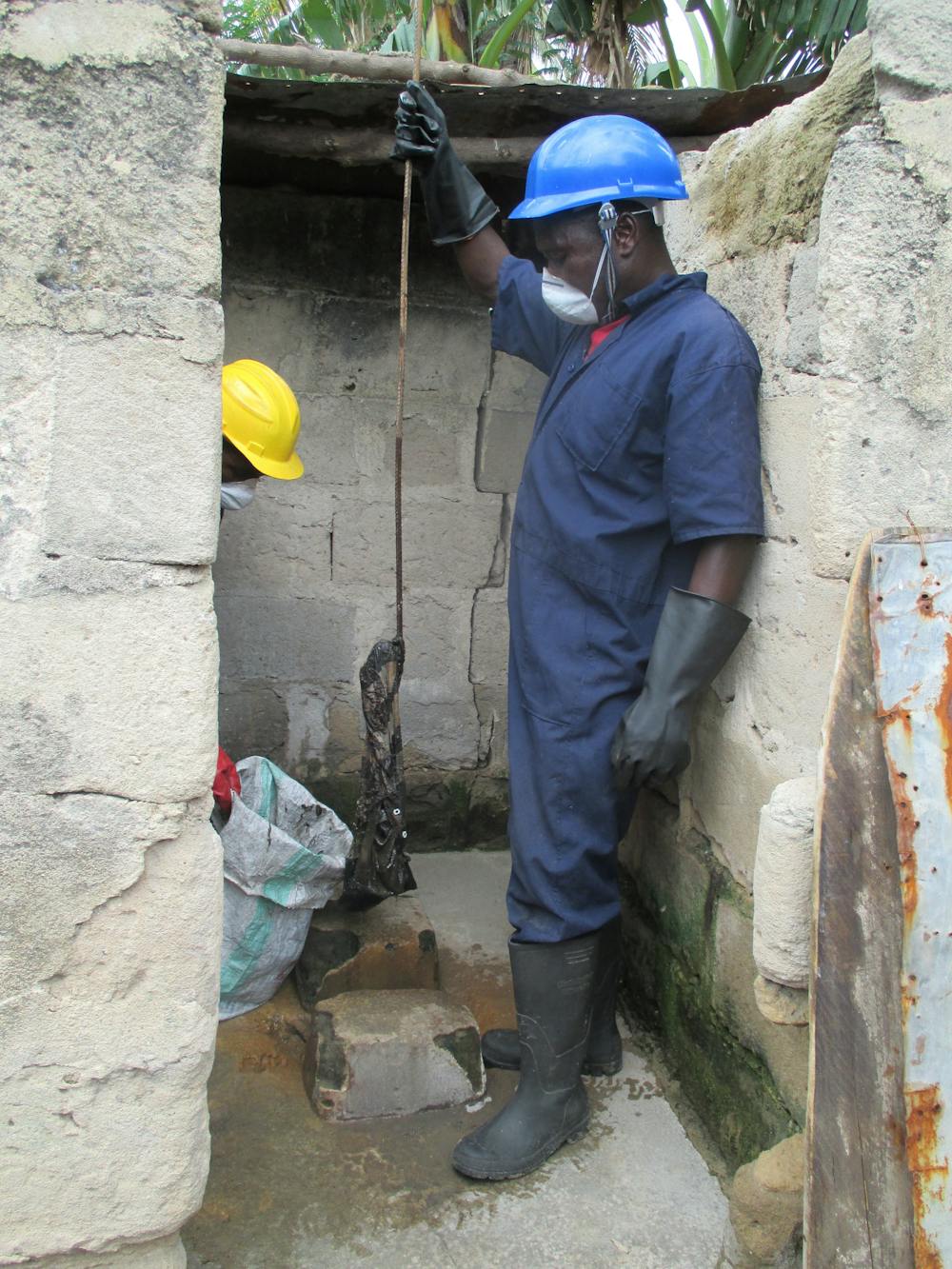 A man emptyies a pit latrine in urban Tanzania. Jacqueline Thomas, Author provided
Achieving this target will be difficult, given there is an absence of reliable data on the exact numbers of sanitation systems that are safely managed or not, particularly in developing countries.
Individual studies in countries such as Tanzania provide small amounts of information on whether some sanitation systems are safely managed. But these studies are not yet at the size needed to extrapolate to national scales.
Read more: When bushfires meet old septic tanks, a disease outbreak is only a matter of time
So what’s behind this lack of data?
A big reason behind the missing data is the large range of sanitation systems and their complex classifications.
For example, in developing countries, most people are serviced by on-site sanitation such as septic tanks (a concrete tank) or pit latrines (hole dug into the ground). But a lack of adherence to construction standards in nearly all developing countries, means most septic tanks are not built to standard and do not safely contain or treat faecal sludge.
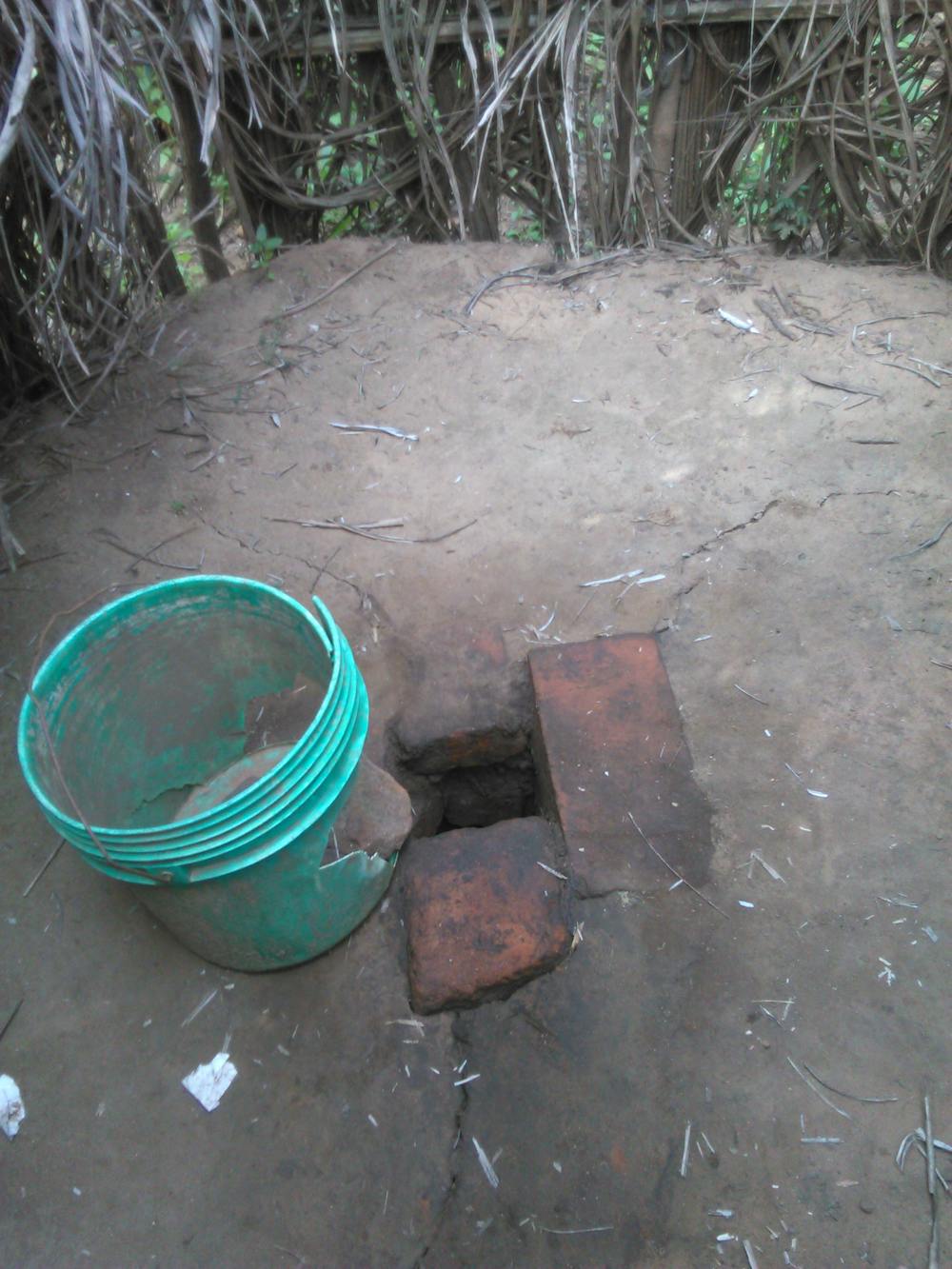 A typical pit latrine in rural Tanzania. Jacqueline Thomas, Author provided
A common example seen with septic tank construction is there are a lot of incentives to build “non-standard” septic tanks that are much cheaper. From my current research in rural Fiji, I’ve seen reduced tank sizes and the use of alternative materials (old plastic water tanks) to save space and money in material costs.
These don’t allow for adequate containment or treatment. Instead, excreta can leach freely into the surrounding environment.
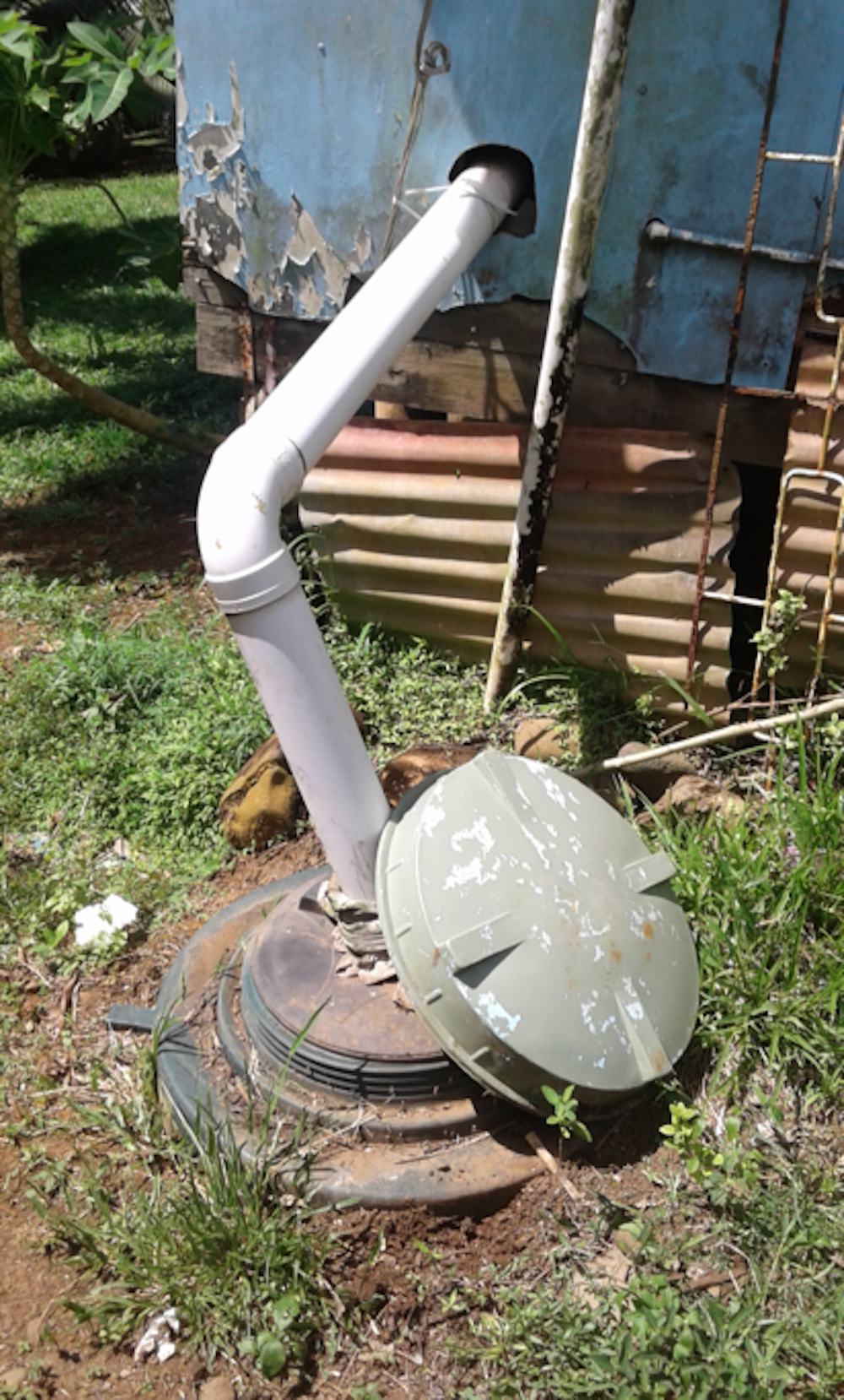 A ‘non-standard’ septic tank, which uses plastic, in Fiji. Jacqueline Thomas, Author provided
A standard septic tank is designed to be desludged periodically, where the settled solids at the bottom of the tanks are removed by large vacuum trucks and disposed of safely. So, having a non-standard septic tank is further incentivised as the lack of sealed chambers reduces the accumulation of sludge, delaying costly emptying fees.
Another key challenge with data collection is how to determine if the sanitation infrastructure if functioning correctly. Even if the original design was built to a quality standard, in many circumstances there are significant deficiencies in operational and maintenance activities that lead to the system not working properly.
Read more: Sewerage systems can't cope with more extreme weather
What’s more, terminology is a constant point of confusion. Households — when surveyed for UN’s Sustainable Development Goal data collection on sanitation — will say they do have a septic tank. But in reality, they’re unaware they have a non-standard septic tank functioning as a leach-pit, and not safely treating or containing their excreta.
Fixing the problem
Achieving the Sustainable Development Goal 6 requires nationally representative data sets. The following important questions must be answered, at national scales in developing countries:
-
for every toilet, where does the excreta go? Is it safely contained, treated on site, or transported for treatment?
-
if the excreta is not contained or treated properly after it leaves the toilet, then how far does it travel through the ground or waterways?
-
when excreta is removed from the pit or septic tank of a full on-site latrine, where is it taken? Is it dumped in the environment or safely treated?
-
are sewer systems intact and connected to functioning wastewater treatment plants that releases effluent (treated waste) of a safe quality?
Presently, the sanitation data collection tools the UN uses for its Sustainable Development Goals don’t answer in full these critical questions. More robust surveys and sampling programs need to be designed, along with resource allocation for government sanitation departments for a more thorough data collection strategy.
And importantly, we need a co-ordinated investment in sustainable sanitation solutions from all stakeholders, especially governments, international organisations and the private sector. This is essential to both protect the health of our own species and all other living things.
Read more: Curious Kids: Where does my poo go when I flush the toilet? Does it go into the ocean?
Authors: Jacqueline Thomas, Lecturer in Environmental and Humanitarian Engineering, University of Sydney


 Daily Bulletin


