

Everything You Need to Know About Soil Stabilisation in 2021
Soil stabilisation as a concept has been around for 5,000 years, with stabilised earth roads being used in ancient Egypt and Mesopotamia and the Greeks and Romans utilising lime as a stabiliser. After all, every street and pavement is going to age and be compromised over time. When this happens, it causes dust, potholes, rutting, corrugation, and (ultimately) total pavement failure. This can then lead to vehicle accidents, a shutting-out of communities, and the negatively affected citizens' flow of goods.
The only thing that can help alleviate these risks and prevent total pavement failure is the use of an effective soil stabilisation technology. By implementing this technology with the highest-quality material, road construction companies in Australia can mitigate the social, environmental, and economic concerns that stem from soil destabilisation.
To learn more about the process and the best materials to work with, read on for everything you need to know about soil stabilisation in 2021.
What is soil stabilisation?
Soil stabilisation is a process that involves altering soils to strengthen their physical properties. The soil's strength is increased by undertaking this process, and the shrink-swell properties can be controlled. This is important as it improves the soil's load-bearing capacity to ensure it is able to support pavements and foundations.
This process can be employed to attend to a broad array of subgrade materials, including granular materials and expansive clays. By utilising an assortment of additives (such as lime-kiln dust (LKD), cement kiln dust (CKD), lime, fly-ash, and Portland cement), soil stabilisation can be accomplished. However, there are a variety of issues with these materials, which is why polymer-based materials are now considered the gold standard for soil stabilisation purposes.
Where is soil stabilisation used?
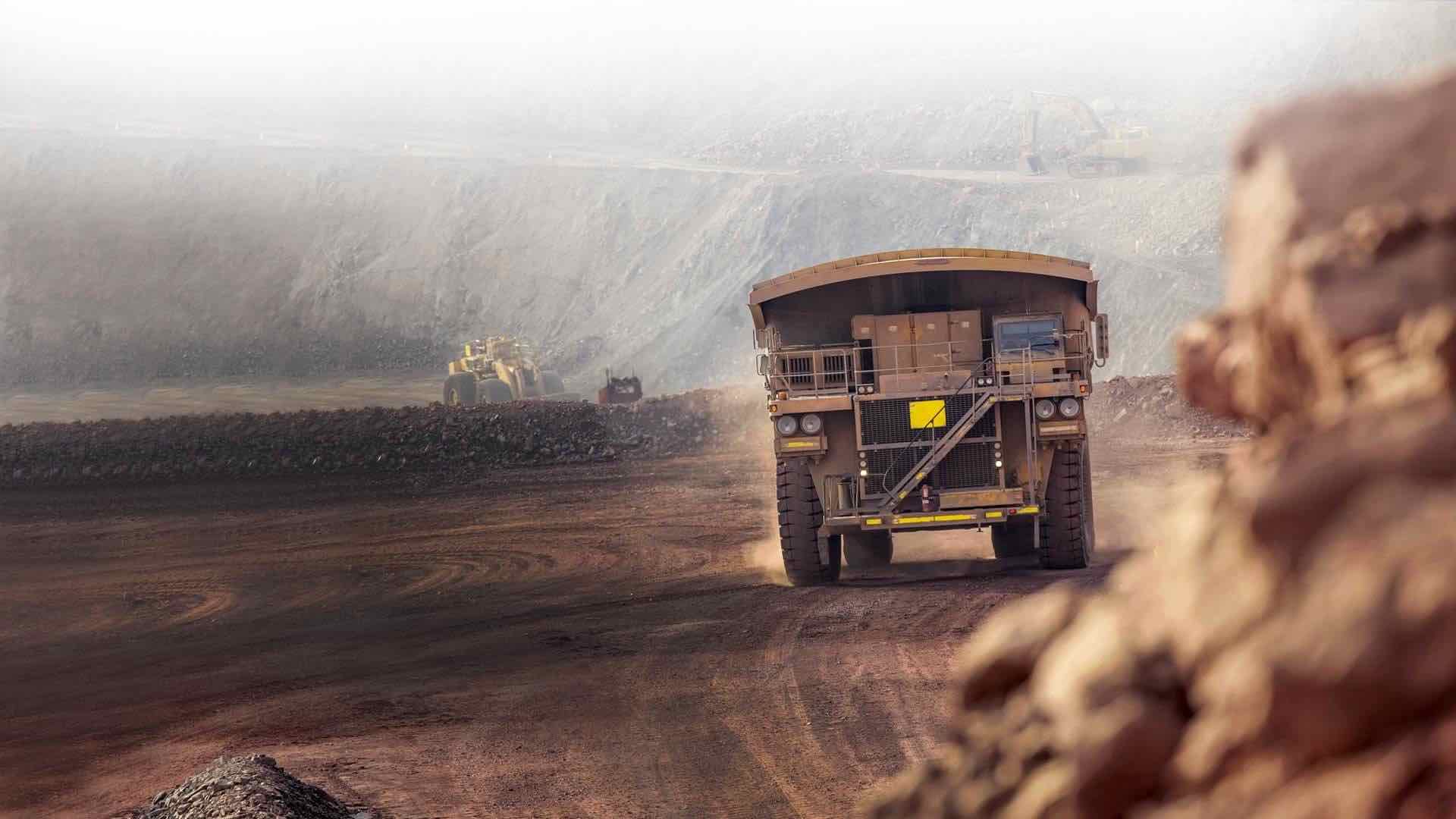
Generally, soil stabilisation is used in areas where sub-soils are not currently suitable for construction. These sites may include potential development areas, public road pavements, parking areas, hardstands and lay-down areas, airports, unsealed haul, rural and service roads and a wide array of other locations.
What are the benefits of soil stabilisation?
There are various reasons that soil stabilisation is necessary, with the process offering a significant number of benefits. These include:
-
Increase in soil strength and durability stiffness
-
Decrease in soil plasticity
-
Higher resistance (R) values
-
Controlled permeability
-
Reduced need for excavation, transport of unsuitable material and introduction of new materials
-
Support for compaction
-
"All-weather" access within project sites
By using a polymer-based soil stabilisation product, you can also reap the advantages of:
-
Fatigue, induced and shrinkage crack reduction
-
Waterproofing
-
Increased compressive and tensile strength
-
Increased resilient modulus
-
Reduced pavement thickness
Furthermore, undergoing a soil stabilisation process produces a number of environmental benefits mainly related to preserving soils and waterways. Without soil stabilisation, run-off stormwater can quickly generate erosion, which then causes thousands of tons of silt to enter nearby water sources. When this happens, the silt clogs the waterways and damages the natural habitats for fish and other animals. Therefore, it is crucial that soil stabilisation occurs and that the proper additives are used.
What are the issues with lime and cement soil stabilisation products?
While lime has been used as a soil stabilisation product for thousands of years, research now shows that it has significant limitations and doesn't effectively protect the soil when applied. Similarly, cement has been a popular option over the past couple of centuries yet also has severe drawbacks.
Using lime in soil stabilisation is a complex process and necessitates complete control of soil content as lime is not appropriate for the vast majority of soil types. Generally, quicklime is deemed the most widely fitting lime soil stabilisation product. However, due to it only being prepared in powder form, it produces a significant amount of lime dust throughout the application process.
When it comes to cement, the most problematic issue is that it cannot resist freeze-thaw cycles, leading to major cracks in cement treated terrains. This occurs all over the world, and the cracks only become larger over time. Like lime, to use cement in soil stabilisation, there has to be a significant amount of soil content control.
There is another big issue for both types of soil stabilisation products as they both require quicklime (calcium oxide), which can only be produced through heating calcium carbonate (CaCO3). Therefore, every time lime or cement is created, a large amount of CO2 is released into the atmosphere.
Additionally, any soil stabilisation products that are water-soluble (which include lime and cement kiln dust) will drop in effectiveness as soon as precipitation transpires as they will drain away from the soil – the opposite of what needs to happen. For this reason, in regions where rain falls, these soil stabilisation products are rendered almost useless. Plus, if they include harmful substances, they will not only destabilise the soil but also pollute their surroundings.
How are polymer-based soil stabilisation products different?
Unlike lime and cement soil stabilisation products, polymer-based products are able to fully bind the soil particles together, ensuring that they remain waterproof – no matter how much precipitation a region experiences.
Moreover, polymer-based soil stabilisation products do not require significant amounts of ex-situ material or water throughout the application processes. This is another notable advantage over the other options.
Additionally, they are non-toxic and much more cost-effective as a smaller amount of product is required to get the job done. When it comes to cost, there are now even more cost-effective designs that involve constructing a stabilised base layer to the pavement thickness without generating reflective cracking.
When you use GRT polymer-based soil stabilisation products, you can be assured that it will be a simple application process and easy to maintain. Yet, the treatment has much more longevity than other materials. When you combine all these factors, it becomes clear why polymer-based soil stabilisation products are the way of the future.
Are you in need of a soil stabilisation product? If so, what are you considering using? Have you tried polymer-based soil stabilisation products before? Let us know your thoughts and any additional insights or questions in the comments below.
AUTHOR BIO
Troy Adams is the Managing Director of Global Road Technology, an international engineering technology company in Australia that specialises in engineered solutions for dust suppression, erosion control, soil stabilisation and water management. A pioneering, socially conscious Australian entrepreneur, Troy is passionate about safer, healthier and more cost-effective solutions in the mining and infrastructure sectors and beyond.


 Daily Bulletin


